
The LG UR78 and UR80 both have a typical brightness of 400 nits and a peak brigthness of 600 nits. Both have a 178 degree field of view and are 8bit panels (screens) with 24 bit 16+ million colours.
The 55″ UR78 has a IPS panel and a pixel density (ppi) of 80 and a pixel pitch of 0.0124
The 50″ UR80 has a VA panel and a pixel density (ppi) of 89 and a pixel pitch of 0.0112
Pixel density (ppi) = The number of pixels in a unit length, which will reduce in size the bigger the length (TV size)
Pixel pitch = is the centre of 2 neighbouring pixels.
In-Plane Switching (IPS) and Vertical Alignment (VA) are the 2 main panel types used in TV’s today and are an important consideration, which I went in greater detail in Mike’s thread. A VA panel usually has a high contrast ratio and narrow viewing angles. However, an IPS panel has low contrast and wide viewing angles. These are the main differences between each typ however there are other possible differences, which I won’t go into as it a lesser effect. One thing to note with modern VA panels, is they often provide near 180 degree veiwing angles the same as IPS.
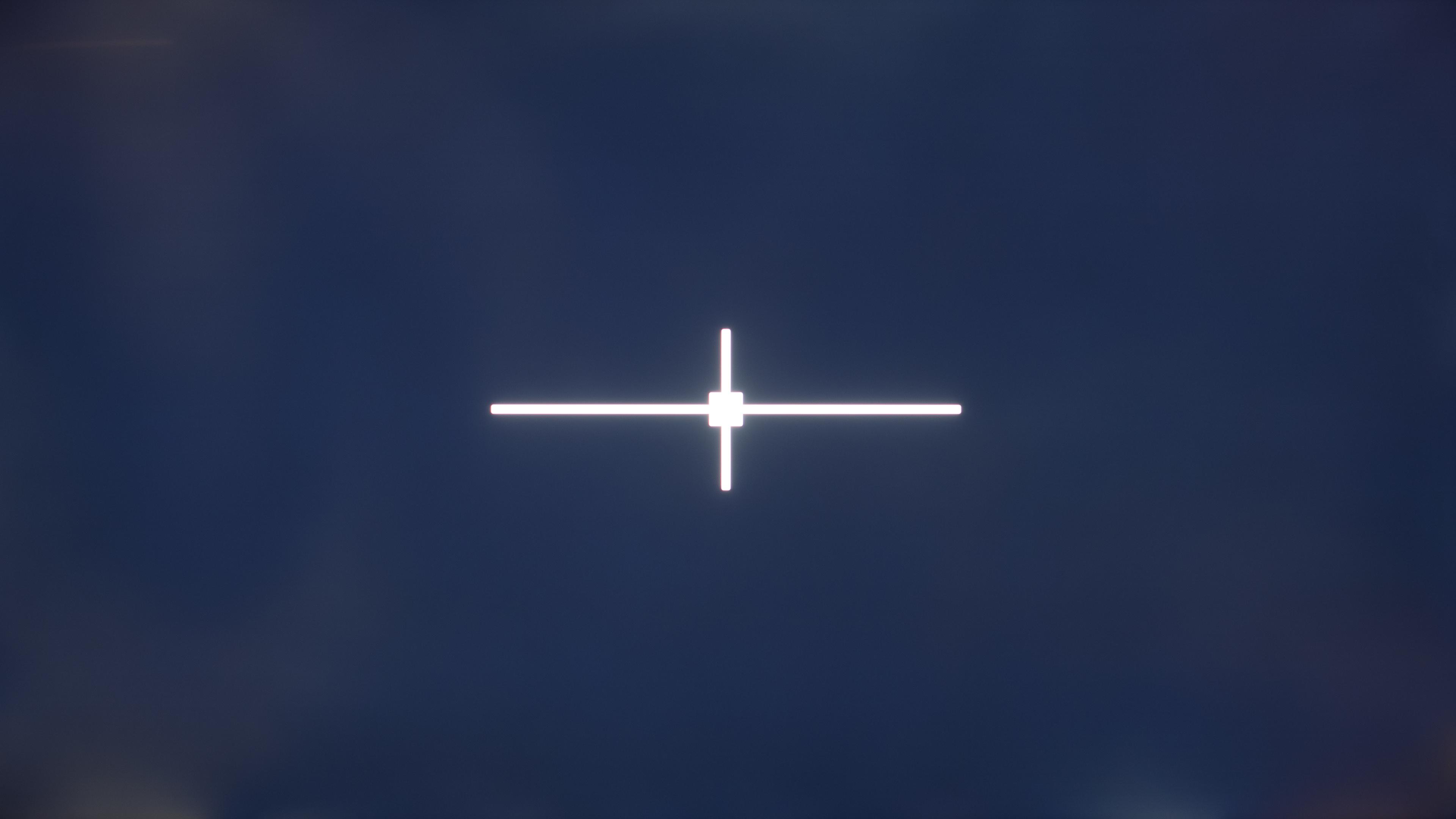
A VA panel, often prefered by those in the business provide deeper blacks than IPS panels which produce more of a milky black comparaive to price. In the upper tier the differencies may not be so noticeable. When carrying out black uniformity tests, its to determine how well a dark scene appears with a bright image in the centre –
Hisense H9G VA panel

Sony X800h IPS panel
Paying a little extra or widening your search and going for a TV that has a Quantum Dot layer that produces over a billion colours is something to really consider over a a standard UHD TV.
Any body going for LG should make sure they are happy with the magic remote. Oh and most if not all large TV’s today have voice search.